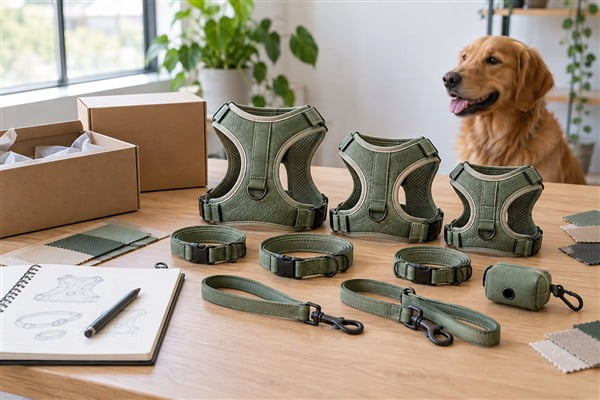

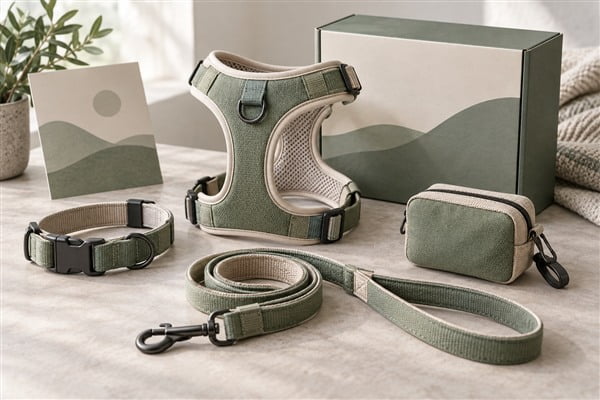
Two pet bundle quotations can show different prices for what appears to be the same offer. One may include retail packing and assembly while the other covers loose components only. Buyers comparing pet sets and bundles need to reconcile scope before deciding which proposal offers better value.
Compare the same component specifications, quantities, variant mix, assembly steps, packaging, testing, and delivery basis. Separate one-time charges from recurring costs and record every exception.
What exactly is being priced?
Define the sellable configuration and contents list. The distinction between fixed versus mix-and-match sets affects picking, inventory, packaging, and assembly. A fixed prepacked kit and a configurable set assembled after purchase should not be treated as identical operational offers.
Shopify bundle guidance and the WooCommerce Product Bundles documentation illustrate how platforms represent bundles. Use them as implementation references when relevant, then confirm what the actual order and warehouse records require. Platform terminology does not replace a supplier contents specification.
Request the quotation against one revision, showing each component’s code, quantity, size, color, material, hardware, and finish. List approved alternatives separately. A lower price based on a lighter strap or different closure is a different offer.
How should component costs be compared?
Check whether prices assume the same quantities by variant. Material, color, trim, and component minimums may differ from the minimum order for the finished set. Ask how surplus components are owned, stored, or charged.
Review customization options before evaluating reductions. A proposed change can affect more than one item, particularly when the collection shares materials or hardware. Record which specification changes produce each saving.
Separate sample development, tooling, artwork setup, and testing from repeat production costs. Ask whether a charge is paid once, included in the first order, or spread across units. That distinction matters when comparing the launch order with later replenishment.
Which assembly costs are easy to miss?
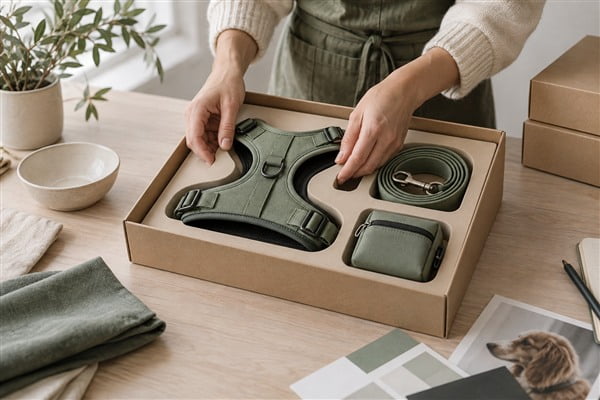
List receiving, checking, sorting, pairing sizes, removing temporary packaging, attaching labels, folding, placing inserts, packing, and final contents verification. Ask where these operations happen and what the supplier’s price includes.
Use sample development process to build a packed sample and record the required steps. Evaluate the real configuration rather than assuming assembly is negligible because the set contains only a few products.
Review manufacturing capabilities for size segregation and missing-item controls. A small saving in packing labor may be lost if unclear instructions create rework or incomplete sets. Keep the cost comparison tied to an acceptable process.
How does packaging change the calculation?
Apply the principles in planning a pet gift-set packaging budget to distinguish protection from optional decoration. Ask for unit packaging, inserts, labels, care cards, master cartons, setup, and packing labor on the same basis.
GS1 US packaging-level guidance clarifies the different packaging levels. GS1 barcode implementation steps provides an identification reference; include who supplies data, prints labels, and checks scans. Those tasks should not appear as surprises after the order is placed.

Measure the finished shipping sample. UPS dimensional-weight guidance explains dimensional weight, while the ISTA test-procedure overview can support discussion of appropriate transport-package evaluation. An attractive retail box may increase freight or need additional protection.
For a fixed assortment, review GS1 predefined-assortment guidance before treating a changed accessory as an interchangeable cost reduction. Changes to included trade items can affect identification as well as the purchasing specification.
Which commercial assumptions must match?
Use ICC Incoterms guidance to establish the delivery rule and named place. Compare currency, payment schedule, quotation validity, included transport responsibilities, and clearly stated exclusions. Do not call two prices equivalent if their delivery scope differs.
Include approved testing, inspection, storage, and development costs in your purchasing comparison. Keep retailer fees and your own fulfillment expenses visible in a separate internal calculation where relevant; the supplier cannot necessarily quote those costs.
For illustration, an extra $0.30 in packaging and $0.20 in assembly adds $500 to 1,000 sets before any freight effect. The useful question is what benefit those operations provide and whether a simpler approved arrangement can achieve it.
Use a comparison sheet with one row for each scope difference and unresolved assumption. Ask suppliers to confirm corrections in writing before selecting the offer. The cheapest complete, acceptable configuration may differ from the lowest headline price.
Record quotation revisions alongside the specification revision. If quantities or packaging change during negotiations, refresh the whole comparison so an old unit price is not accidentally paired with a newer, more expensive scope.
Frequently Asked Questions
Should every cost be itemized separately?
Not necessarily, but the quotation must explain what is included and excluded clearly enough for a fair comparison.
Can a cheaper box reduce total cost?
Possibly, provided it still protects the set and does not add labor, freight, damage, or presentation problems elsewhere.
For comparable bundle quotations, contact FungoMate with a controlled contents list, variant quantities, packaging brief, development scope, and agreed delivery basis.