

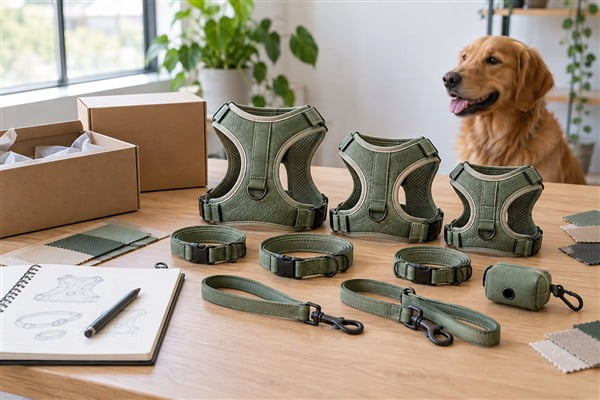
A pilot order can reveal whether customers understand a bundle, use its components, and accept its price. It cannot answer every question if the quantity is tiny or the selling conditions keep changing. Brands testing pet sets and bundles should define the decision the pilot will support before ordering stock.
Set a clear hypothesis, a controlled product version, realistic selling conditions, and decision criteria. Separate customer-response learning from production-quality approval, then use both to decide whether to expand, revise, or stop.
What should the pilot be designed to learn?
Choose a focused question: whether the combination is useful, whether the price is acceptable, whether sizing is clear, or whether a packaging format creates problems. Trying to change every variable at once makes the result difficult to interpret.
Use preparing a complete supplier brief to define the exact contents and intended customer. Record what will remain constant during the pilot. A bundle that changes halfway through the trial should be treated as a different version, with results kept distinguishable.
Apply principles from ISO 10007 configuration-management guidance to the product, packaging, and instructions. Keep the approved sample and revision record available so customer feedback can be connected to what was actually supplied.
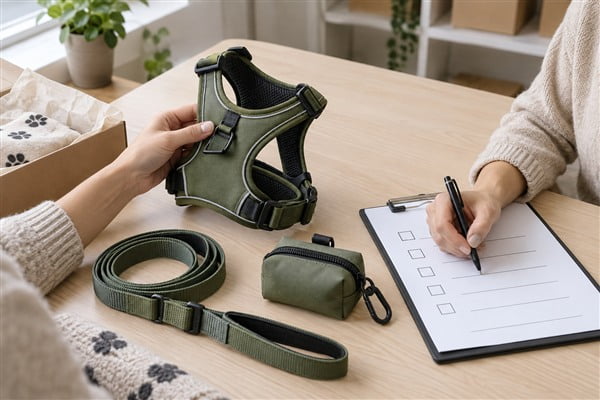
How should quantity and selling conditions be chosen?
Agree a practical quantity with the supplier and sales team based on the intended channel, size coverage, and learning objective. Do not choose a quantity solely because it is the smallest order the factory accepts.
Record the selling period, available stock, price, promotions, and audience. A heavily discounted launch to existing fans may not predict performance at normal price with new customers. Note those limits before interpreting the result.
NIST guidance on confidence intervals for proportions explains why proportions estimated from samples carry uncertainty. A few purchases or returns should not be turned into a confident market-wide percentage. Preserve the counts and context alongside any calculated rate.
What must be approved before customers receive the pilot?
A commercial pilot is not permission to skip product checks. Complete the appropriate sample development process and agree inspection requirements for the supplied goods. Resolve known fit, construction, and instruction problems before collecting customer-response data.
Review the packed bundle as well as the components. ISTA test-procedure overview can help identify relevant distribution-testing options. Shipping damage or a missing item can distort feedback on an otherwise useful combination.
Keep any permitted customization options controlled. If the pilot uses a temporary material or packaging format, record how it differs from the planned wholesale version and which conclusions may therefore need further validation.
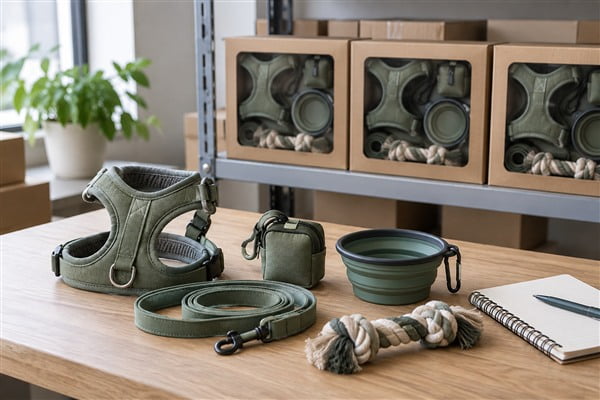
Which information should the brand collect?
Track units offered, units sold, returns, reported defects, sizing exchanges, and reasons customers give for buying or declining. Ask whether each component was used and whether any item felt unnecessary. Keep product-quality issues separate from preference comments.
Define the denominator for every rate. Returns per unit sold and sales per available unit answer different questions. Record stockouts and missing sizes so poor availability is not mistaken for low interest.
Where the channel uses bundles, review the relevant workflow through Shopify bundle guidance or WooCommerce Product Bundles documentation. Confirm that component stock and returned items are recorded correctly; inconsistent system setup can make the pilot’s results misleading.
How should the expansion decision be made?
Compare outcomes with the criteria agreed before launch. Review customer usefulness, margin, packing accuracy, and production consistency together. High sales under unusual promotion conditions should not automatically trigger a large repeat order.
Use comparing bundle quotation costs to compare pilot costs with the proposed expansion. Separate one-time development charges from recurring costs and confirm delivery assumptions using ICC Incoterms guidance. A lower unit quote does not by itself establish a stronger commercial result.
Review the supplier’s manufacturing capabilities before increasing quantity or variety. If the bundle changes, revisit identification through GS1 predefined-assortment guidance and the GS1 GTIN Management Standard. Keep the next order linked to the revised specification rather than silently rolling changes into the original pilot.
Close the pilot with a short decision record: what was learned, what remains uncertain, what will change, and which evidence is needed next. This prevents an enthusiastic launch discussion from replacing the agreed expansion criteria.
Frequently Asked Questions
Does a sold-out pilot prove long-term demand?
No. Quantity, audience, promotion, and availability influence the result. Treat a sellout as useful evidence within those conditions, then assess whether another controlled step is warranted.
Should every piece be changed after mixed feedback?
No. Identify the main problem and revise deliberately. Changing all components at once makes it harder to understand which improvement mattered.
Prepare a decision-focused pilot brief
Send the target customer, bundle specification, quantity plan, selling conditions, and success criteria. Then contact FungoMate to discuss a pilot that produces useful evidence for the next wholesale decision.