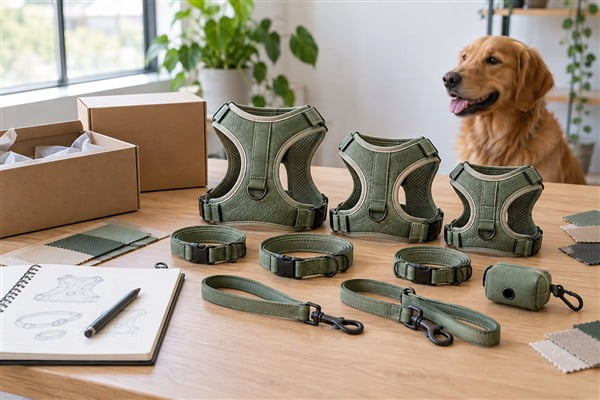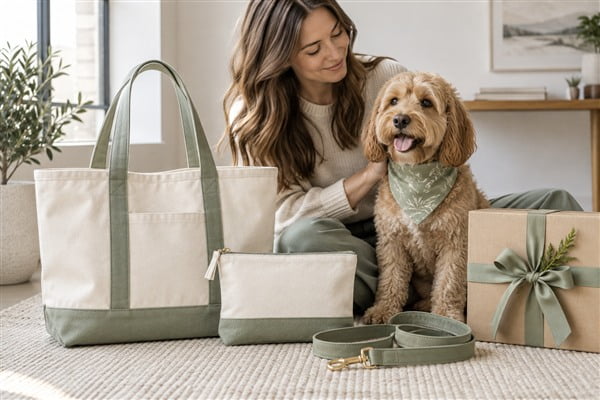

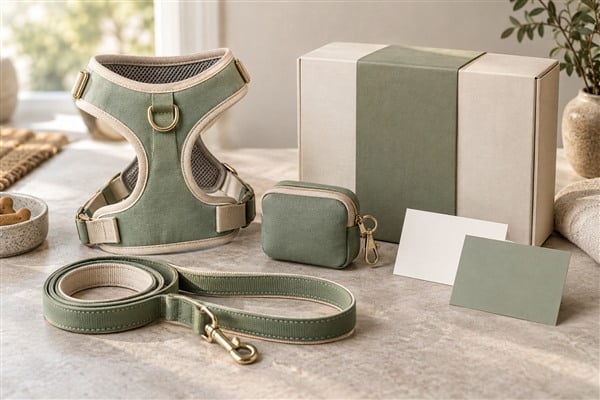
A co-branded gift set can stall when two partners approve different artwork versions or assume the other team has cleared production. The factory then receives comments without a single release decision. For brands developing pet sets and bundles, artwork ownership and approval routes should be agreed before packaging samples are ordered.
Use one controlled artwork package, named approvers for both brands, and a final production release. Separate design preferences, permission to use brand assets, and approval of the physical result.
What permissions and responsibilities come first?
Confirm which logos, illustrations, names, and other assets may be used, on which products, in which markets, and for what period. WIPO guidance on IP licensing explains the distinction between owning intellectual property and licensing its use. Have the appropriate parties settle permissions before files reach production.
Identify who supplies each asset and who can authorize changes. The supplier should not redraw a partner logo or simplify an illustration without approval. Include these responsibilities when preparing a complete supplier brief, alongside the product and packaging specifications.
Name a project coordinator, but keep each brand’s approval authority clear. A coordinator can consolidate comments without automatically having permission to release another brand’s artwork.
What belongs in the master artwork package?
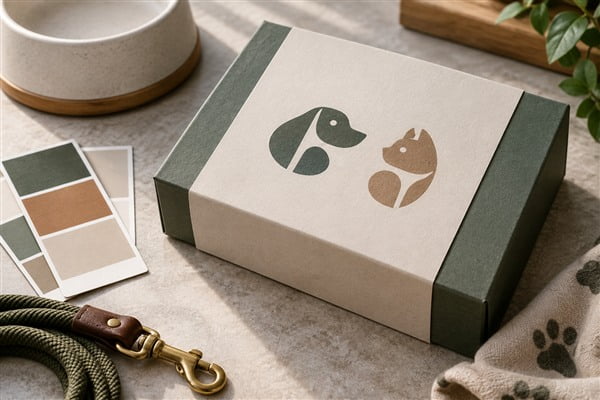
Provide editable production files where appropriate, approved exports, color references, dimensions, placement drawings, and application instructions. Identify the substrate and process for each mark: a box print, woven label, and silicone patch will not necessarily reproduce identically.
Use a revision code on every file and proof. ISO 10007 configuration-management guidance offers useful document-control principles. Archive superseded versions so the factory cannot accidentally select an earlier file with a similar name.
Record clear space, minimum readable size, and restrictions from each partner’s brand guidance. Where the two brand systems conflict, resolve the layout between the partners before asking the factory to interpret their priorities.
How should proofing move from screen to product?
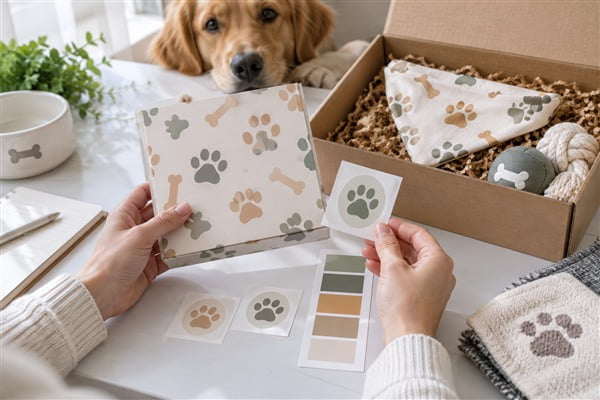
Approve the layout first, then review a physical proof or application sample on the intended material. A screen image can confirm arrangement but cannot establish the appearance of ink on textured fabric or an embossed mark on a curved surface.
Include labels, hangtags, box sleeves, inserts, and the product itself in the sample development process. Check alignment after folding, sewing, or assembly. Artwork that is centered on a flat drawing may shift visually when wrapped around a finished box.
For textile applications, discuss ISO 105-X12 rubbing-fastness method where rubbing transfer is relevant and ISO 105-C06 laundering colorfastness method where laundering is part of the product’s care route. Agree methods and limits for the actual application; a print proof is not a durability test.
Who gives the final release?
Collect each partner’s decision against the same physical sample and file revision. Consolidate comments into one numbered list, identify conflicts, and resolve them before a revised proof is requested. Avoid parallel email instructions that send the supplier in opposite directions.
The final release should name the approved files, product version, packaging version, quantities, and any permitted variation. Review customization options before release; adding an extra logo location afterward may require new tooling, sampling, or cost approval.
Confirm identification using the GS1 GTIN Management Standard when branding or assortment changes affect the trade item. Apply GS1 barcode implementation steps to the final printed packaging and verify that artwork placement has not compromised the scan area.
Which claims and costs need joint approval?
Review sustainability wording and symbols across both brands. FTC Green Guides summary and How2Recycle label examples are useful references for checking environmental-claim presentation and disposal labeling. Do not add a certification mark or recycling instruction merely because it appears in a partner’s older artwork.
When comparing bundle quotation costs, identify artwork setup, printing plates, embroidery programs, molds, proofs, and repeat-order charges. Clarify who owns or controls production files and tooling. Match the selected processes to the supplier’s manufacturing capabilities rather than assuming every logo can use the same application method.
Keep a signed or otherwise traceable release record accessible to purchasing and quality teams. The factory should know who can stop production if a mismatch is found, and which approved reference resolves a dispute about the final presentation.
Frequently Asked Questions
Is approval from one partner sufficient?
Only if the agreed authority explicitly allows it. Otherwise collect both required approvals and keep the evidence with the released production package.
Can different materials show exactly the same color?
Do not promise an exact visual match across all substrates. Approve material-specific references and acceptable variation under agreed viewing conditions before production.
Create one release package
Send authorized assets, placement drawings, color references, named approvers, and the required launch date. Then contact FungoMate to discuss sampling and application options. Clear responsibilities help both brands protect their presentation while giving the factory a single, usable production instruction.