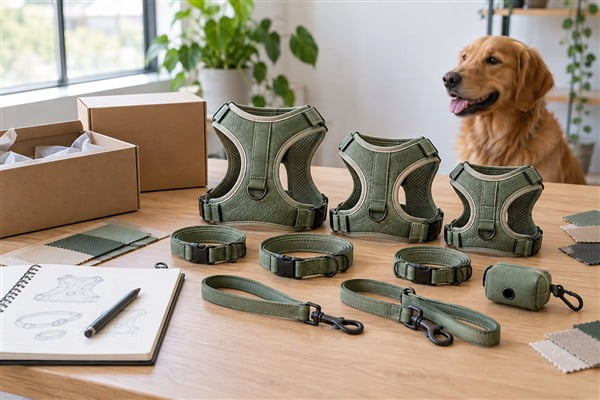


A subscription box needs variety, but uncontrolled product changes can create late deliveries, inconsistent quality, and packing mistakes. An OEM supplier cannot plan efficiently when every month starts with an entirely new brief. Brands building pet sets and bundles should define what rotates and what remains stable across the program.
Plan a core component platform, a dated rotation calendar, and clear substitution rules. Approve each box as a complete assortment with its own packing instructions, cost, identifiers, and release decision.
What should stay constant across rotations?
Start with the subscriber’s recurring need and the intended pet profile. Define size assumptions, product categories, price position, and items that should never be included. Keep the program focused rather than adding unrelated accessories simply to fill space.
Separate shared elements from rotating ones. Packaging format, supplier materials, and a recurring accessory may remain stable, while color, theme, or a featured item changes. Use the approach in preparing a complete supplier brief to make these boundaries explicit.
Maintain a versioned bill of materials for every rotation. ISO 10007 configuration-management guidance provides a useful reference for controlling the approved combination. A month name alone is insufficient when there are different sizes, subscriber tiers, or regional versions.
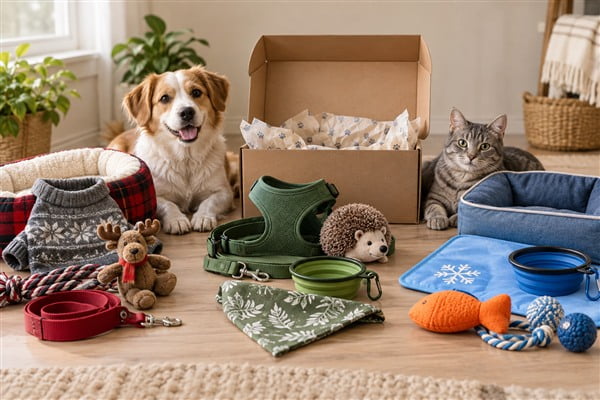
How should the calendar connect to production?
Work backward from the required dispatch date. Include concept selection, sample review, artwork approval, material booking, production, inspection, assembly, and delivery to the fulfillment site. Ask the supplier which activities can overlap and which depend on a final decision.
Distinguish the forecast from the firm purchase order. Agree when quantities become committed and who carries unused material or packaging. A flexible calendar should still have a clear deadline for changes.
Use the sample development process to approve new components before they enter a scheduled box. Reusing a previously approved product may reduce development work, but changes in material, size, or construction still need review.
What makes an acceptable substitution?
Define equivalent function, quality, dimensions, appearance, cost band, and subscriber suitability. A replacement with the same purchase price may be too large for the box or unsuitable for the recipient. Require approval before substituting an item already shown in marketing.
If treats are included, keep food sourcing, storage, and traceability requirements separate from accessory production. FDA pet-food handling guidance supplies relevant handling guidance. Do not assume a textile OEM can supply or repack food simply because it assembles the rest of the kit.
Review product identity using GS1 predefined-assortment guidance and the broader GS1 GTIN Management Standard. Confirm how changed assortments are identified with the brand’s GS1 organization and trading partners, rather than reusing a retail code without checking the rules.
How should packing and fulfillment be controlled?
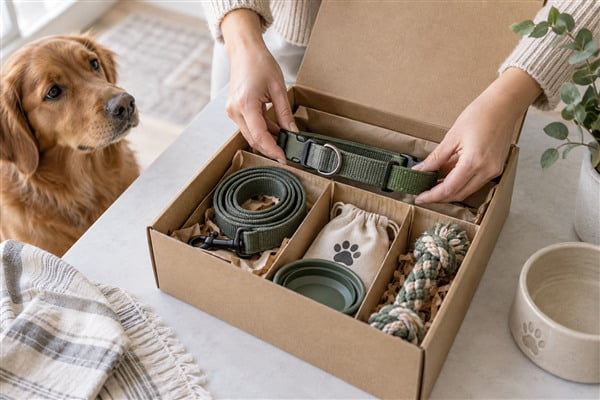
Create a visual packing sheet for each configuration, showing item counts, orientation, inserts, and the finished box. Include a method for distinguishing versions that look similar. Keep mixed subscriber sizes separated during assembly and inspection.
Agree receiving and case identification using GS1 US packaging-level guidance where applicable. Record whether the supplier ships individual finished boxes, bulk components, or mixed cartons. Those alternatives create different work for the fulfillment team.
Check packed dimensions against UPS dimensional-weight guidance and choose relevant shipping evaluations through ISTA test-procedure overview. A rotation that introduces a taller item may change shipping cost or damage exposure even when the number of products remains constant.
How should the commercial model be compared?
Use comparing bundle quotation costs to separate products, assembly, packaging, testing, and freight. Identify one-time development costs and recurring costs. Confirm delivery responsibilities with ICC Incoterms guidance rather than comparing quotations built on different delivery assumptions.
Review the supplier’s manufacturing capabilities for material continuity, packing accuracy, and schedule visibility. Use customization options selectively: changing a sleeve or color may create sufficient variety without rebuilding every component.
Agree how unused components carry forward into later rotations. Record shelf or storage limits where relevant, color continuity, and which packaging becomes obsolete after a date. This makes leftover stock visible before the team approves another seasonal design.
Frequently Asked Questions
Should every rotation contain only new products?
No. A useful recurring item can support consistency if subscribers value it. The brand should define repetition rules and distinguish replenishment from unwanted duplication.
Can the factory choose replacements when stock is short?
Only within an agreed approval process. Require proposed substitutions to identify the affected box version, cost, fit, packaging, and customer-facing changes. Silence should not count as approval.
Prepare the rotation brief
Send the subscriber profile, planned calendar, common components, variation rules, expected quantities, and fulfillment method. Then contact FungoMate to discuss a manageable OEM program. A controlled rotation plan gives the supplier enough stability to execute while preserving the variety that makes the subscription worthwhile.