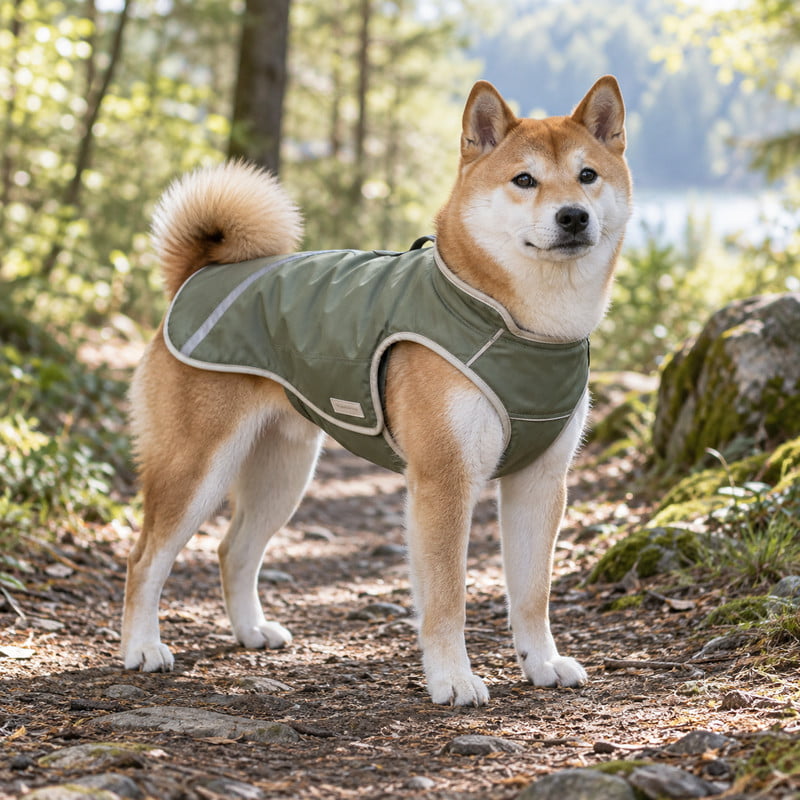
Choose an existing style for private label pet apparel when its fit and construction meet your brief. Develop a new design when the required fit, coverage or function cannot be achieved through suitable modifications.
For a brand building a pet apparel collection, this choice affects sampling costs, material commitments and the launch schedule. Begin with the product requirements, then compare what each route needs in order to meet them. Confirm materials, size specifications, sample approvals and order conditions before committing to production.
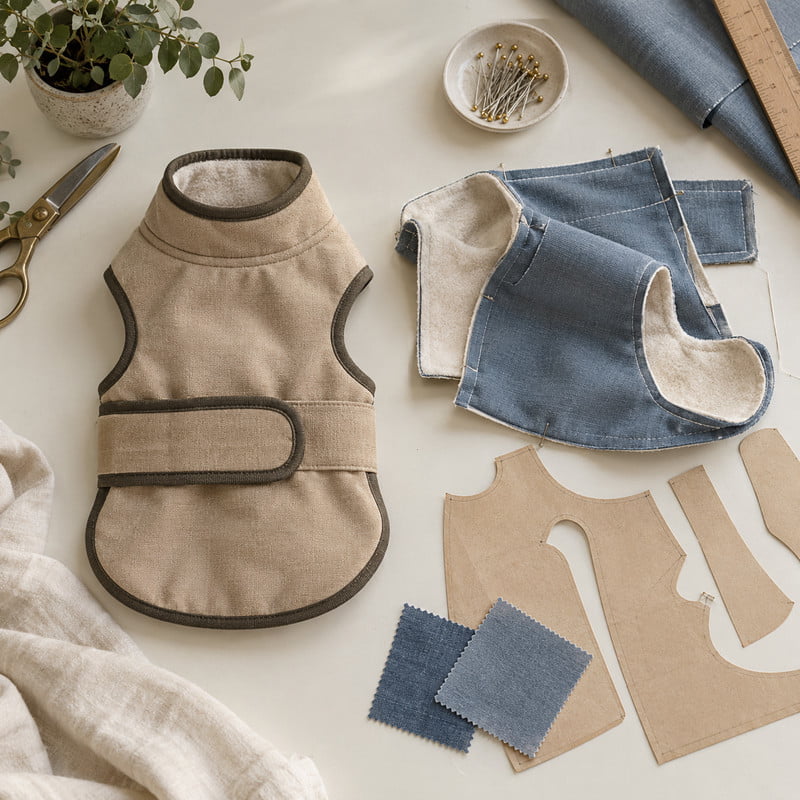
Existing Styles vs. Custom Development
Private label pet clothing can follow either route. The label describes the brand under which the product is sold; it does not, by itself, describe how much design work is involved.
| Decision point | Adapt an existing style | Develop a new design |
|---|---|---|
| Starting point | An available pattern and reference sample | A new brief, drawing, technical package or reference concept |
| Best fit | The current shape and construction already meet the main requirements | The intended fit or function needs a different construction |
| Pattern work | Retain the base pattern or agree specific revisions | Develop and review new patterns, then grade the size range |
| Branding options | Colors, artwork, labels, trims and packaging, subject to feasibility | Branding plus broader control over shape, materials and construction |
| Sampling focus | Check the selected changes and confirm the final specification | Resolve the design, evaluate prototypes and confirm production readiness |
| MOQ considerations | Stock materials may help, but custom inputs can still create minimums | Material and component choices can increase the order commitment |
| Timing considerations | Fewer development tasks if the base style and materials are suitable | More stages to schedule for pattern work, sourcing and validation |
| Main risk | Assuming previous sample approval covers every new change | Committing to cost and timing before the design is sufficiently defined |
Neither route guarantees a particular minimum order quantity or delivery date. Ask for a quotation against the same material, size, packaging and testing requirements so the comparison is meaningful.
When Does Adapting an Existing Style Make Sense?
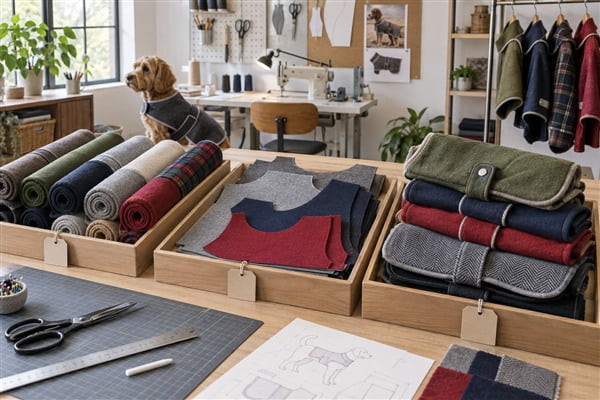
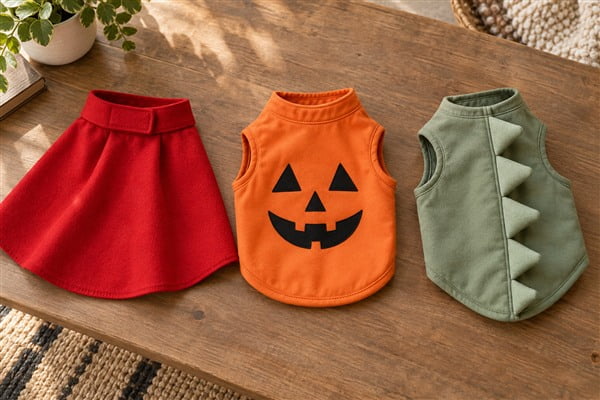
An existing style is a useful starting point for a first collection, a seasonal extension or a coordinated range when the product already meets the core fit and use requirements.
For example, a fleece dog jacket may already have the coverage and closure your buyers want. The development work can then focus on a brand palette, logo placement, finishing details and packaging. Review the available customization options before deciding which changes are essential for launch.
Practical options include:
- Selecting colors or artwork for the agreed fabric.
- Developing a consistent woven label, care label and hangtag system.
- Coordinating zipper tape, binding and other visible trims.
- Adjusting logo size and placement to suit each garment size.
- Planning packaging and presentation for the intended sales channel.
A jacket can also become part of coordinated pet sets and bundles. Agree a physical color reference across the products: the same color specification may appear different on a woven shell, fleece, webbing and printed packaging.
Decide which changes need a fresh review
Treat the original sample as a starting reference. A different fabric weight, stretch level, coating or lining may affect fit and sewing even if the pattern stays the same. Embroidery, reflective details and new closures also need placement and attachment checks.
Before accepting a change, ask three questions: Does it alter fit? Does it alter construction? Does it alter the evidence needed for a product claim? Any "yes" should be reflected in the sampling plan.
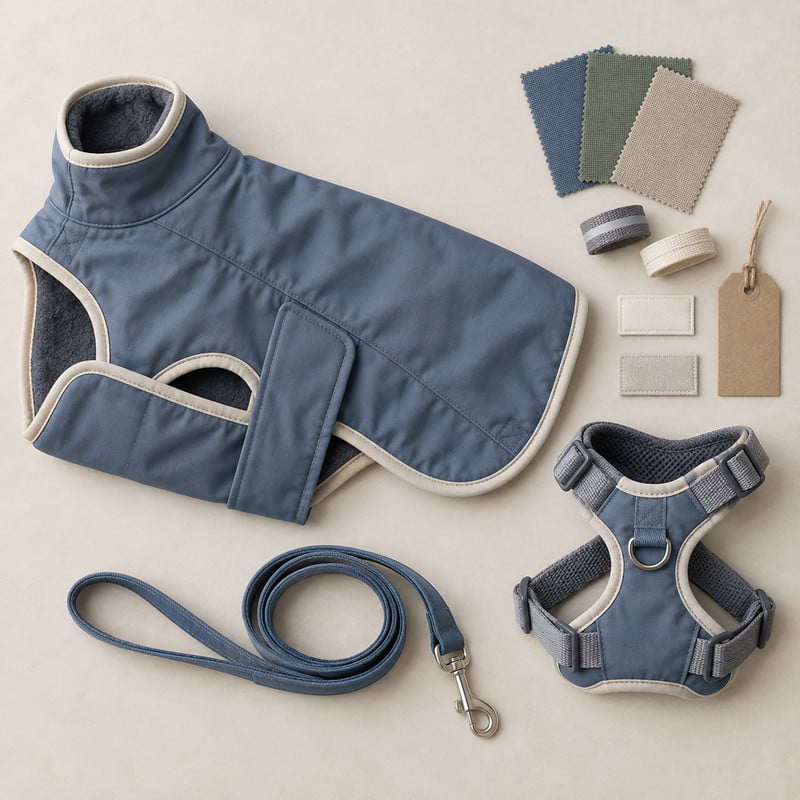
When Is Full Product Development Worth the Investment?
Custom development becomes useful when the available styles cannot meet a clearly defined requirement. A stronger brief describes an observable problem and how the new design should address it.
Examples include:
- A chest and neck shape that needs a different pattern relationship.
- Belly coverage that must change without restricting movement.
- A closure arrangement that makes dressing and removal easier.
- A new combination of shell, lining and insulation.
- A harness-access opening that must align with a specified harness design.
Write the requirement in a form that can be checked. "More premium" leaves room for conflicting interpretations. "A lined raincoat with an adjustable belly panel and a covered opening aligned to the selected harness" gives the sample team something concrete to develop.
A focused pattern revision may be sufficient if most of the existing style remains suitable. Ask the supplier to identify which pattern pieces can stay, which need changing and which fit or performance checks must be repeated. This defines the development scope before you pay for samples and avoids treating every construction change as a completely new product.
Use OEM/ODM development discussions to define who supplies the design information, what the supplier will develop and which decisions need buyer approval. Record any arrangements for pattern files, artwork, tooling and exclusivity before development starts; a custom order does not automatically establish those arrangements.
Compare the Whole Project Cost, MOQ and Launch Schedule
Include development costs in the comparison
The unit price is only one part of the first-order commitment. Ask the supplier to separate sampling, pattern work, print setup, special components, testing, packaging and sample shipping where applicable. Clarify which charges are one-time, which apply again on reorders and whether any sample charges are credited against a bulk order.
For an internal comparison, allocate the development budget across a conservative first-order quantity. This helps show whether the proposed differentiation is affordable before relying on future reorders to recover the cost.
When comparing quotations, use the same delivery basis and identify what is included. A lower unit price may exclude printed labels, individual packaging, testing or other items included in another quotation. Request those differences in writing before choosing a route.
Ask what the MOQ actually covers
"MOQ per style" is incomplete unless the quotation also explains the color and size split. Confirm:
- The minimum per style and per color.
- Whether sizes can be combined within that minimum.
- Separate minimums for custom fabric, printing, trims and packaging.
- Any material surcharge or unused-material commitment for a smaller order.
- Reorder conditions if the original fabric or trim is no longer available.
A simple style in a specially developed fabric can carry a larger material commitment than a more detailed style using available inputs. The quoted specification matters more than the route name.
Work backward from the required arrival date
Separate development, bulk production and transport when discussing lead time. Include material sourcing, sample review, revisions, testing where required, production approval, inspection and delivery arrangements.
Ask what starts each quoted period: receipt of the brief, material availability, sample approval or another agreed milestone. A sample estimate is not a warehouse-delivery commitment.
The development process should make these review points visible. If the launch window is tight, reduce unnecessary variations early and check that the essential requirements still fit the schedule.
What Should Be Approved Before Bulk Production?
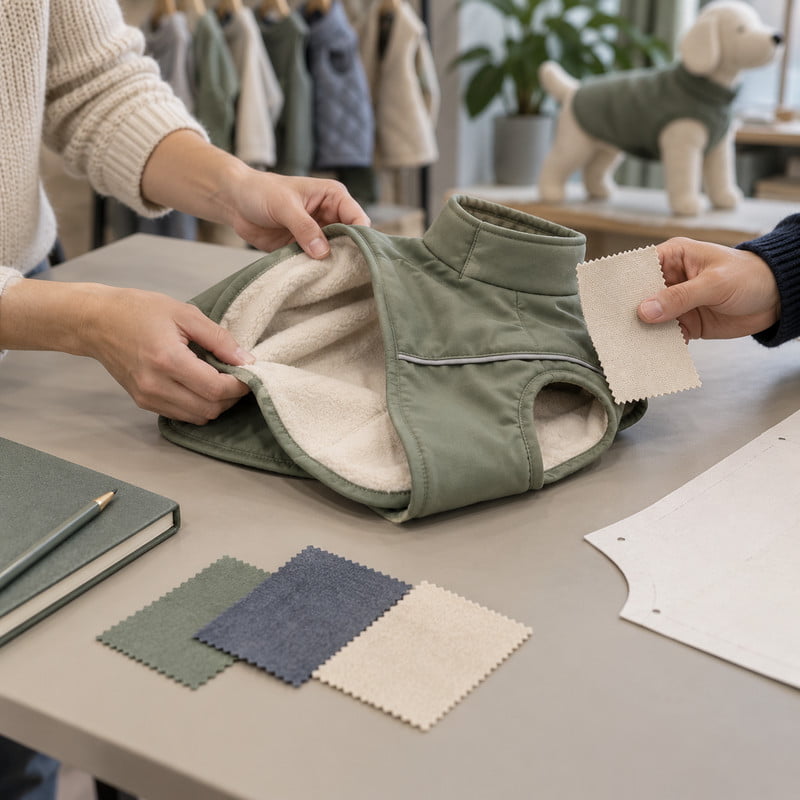
An attractive sample is not a complete production specification. Both development routes need an agreed reference that connects the physical sample with the written details.
Fit and measurements
Define how neck, chest, back length and other relevant measurements are taken. Distinguish the pet's body measurements from the finished garment measurements, and agree tolerances for the measurement points.
Review representative sizes across the proposed range, including the extremes. Check coverage, closure adjustment and movement during supervised fitting. An approved middle size does not establish that the smallest and largest sizes fit as intended.
Materials and workmanship
The technical package should identify the bill of materials (BOM), fabric and trim references, graded measurements, construction details, artwork placement and packaging requirements.
Use the pre-production (PP) sample to confirm the intended bulk specification. Record any substituted sample materials and how the correct production materials will be approved. After approval, document later changes and decide which checks must be repeated.
Before releasing the order, make sure the approved sample, BOM, measurement sheet and artwork carry matching version references. Close or explicitly resolve outstanding sample comments so the production team can tell which details are final.
Evidence for functional claims
Choose tests around the claims you intend to make and agree the method, edition, test conditions and acceptance criteria with the supplier and laboratory.
- Fabric water resistance: AATCC TM127 evaluates how fabric resists water penetration under hydrostatic pressure. Its result is different from a rain or spray-test result. See the AATCC TM127 method scope.
- Thermal and water-vapor resistance: ISO 11092:2026 provides laboratory methods for evaluating these properties in textile materials and assemblies. It does not define comfort performance for a particular use situation. See the ISO 11092:2026 scope.
For a finished raincoat, also plan checks for the actual construction, including seams, closures and openings. A fabric report alone cannot establish how the complete garment performs. Likewise, a thermal-resistance measurement should not be presented as a universal outdoor temperature rating for dogs.
Keep reports linked to the materials and construction being ordered. If those change, review whether the previous evidence still applies.
A Practical Decision Before You Request Samples
Use three questions to choose the initial route:
- Does the existing style meet the essential fit and functional requirements? If yes, define the changes needed to make it suitable for your range. If no, identify the pattern or construction problem to solve.
- Can the budget cover development as well as the bulk order? Include the cost of revisions and validation in the decision.
- Does the schedule allow the necessary approvals? Confirm the sequence with the supplier before setting a customer-facing launch date.
Record What Changes Between Sample Versions
Ask for a sample revision record that connects each requested change with the evidence used to approve it. This makes the development decision easier to review and gives the production team a traceable reference.
| Review item | Evidence to compare | What to record before approval |
|---|---|---|
| Chest, neck and back fit | Measurement sheets and fitting photos for the same sample sizes | Measurement points, target values, tolerances and the approved sample version |
| Belly coverage and harness access | Photos showing panel coverage and opening alignment with the selected harness | Panel dimensions, opening position and fitting comments |
| Fabric, lining or insulation change | Identified swatches, revised BOM and relevant test results | Material codes, construction changes and any checks to repeat |
| Closures, trims and labels | Detail photos and inspection notes for the revised sample | Position, attachment requirements and final artwork version |
Use the measurements, material references and results from the actual project. Keep the approved sample, revision record and production specification consistent, and identify who approved each change and when.
For a meaningful before-and-after comparison, record the garment size, fabric version and measurement method alongside the photographs. If a sample changes from one fabric to another, a different fit result cannot automatically be attributed to the pattern revision alone. Keep the comparison conditions clear enough for both the buyer and supplier to interpret the result.
Frequently Asked Questions
Can an existing pet apparel style still look distinctive?
Yes. A considered combination of colors, artwork, labels, trims and packaging can create a recognizable range. Confirm that the base style fits the intended customer and that each selected change is feasible. If exclusive use matters to your brand, discuss the scope separately.
What is the minimum order quantity for private label pet apparel?
There is no single MOQ that applies to every fabric and design. Request the minimum per style, color and size assortment, together with any separate material or component minimums. The supplier should confirm the figure against your actual specification.
How many sample rounds will a custom dog jacket need?
Agree the approval stages first: design and fit, materials and construction, size-range review and production readiness. The number of rounds depends on what needs resolving and how much changes after review. Ask the supplier to explain what is included in the sample fee and how additional revisions are handled.
How long does development take?
Request a schedule after the supplier reviews the brief and checks material availability. Identify the time allowed for samples, buyer feedback, revisions and any testing, then confirm bulk production and transport separately. Avoid treating a general development estimate as a delivery promise.
What should I send to a pet clothing supplier for a useful quotation?
Send the product type, reference images or drawings, target market, order quantity, color and size split, material preferences, branding requirements, packaging details, target price and required arrival date. If you do not have a technical package, identify the details you want to keep and the problems you want to solve. The supplier can then identify the information needed before a firm quotation or sample plan is agreed.
Discuss Your Pet Apparel Brief with FungoMate
FungoMate is a pet products development and OEM/ODM supplier based in Ningbo, China, operated by Ningbo Hi-tech Longsen Century Imp And Exp Co., Ltd. Our apparel and outdoor-products manufacturing background informs our work with fabrics, sewing construction, sample development and production requirements for B2B pet product ranges.
To compare an existing-style option with a custom-development route, prepare:
- Product: garment type, reference design and intended use.
- Market: destination and sales channel.
- Quantity: first-order volume, colors and size assortment.
- Specification: materials, fit requirements and functional claims.
- Branding: logo, artwork, labels and packaging.
- Commercial target: target price and required arrival date.
If you are at an early stage, start with reference images and a short list of essential requirements. Identify the fit or functional details that must be preserved and the color, trim or packaging choices that can remain flexible.
Contact FungoMate to discuss your pet apparel project and request a comparison of the feasible development routes. Ask for the proposed changes, sampling stages, MOQ breakdown, quotation inclusions and timing assumptions so your team can make a clear sourcing decision.