
A costume sketch can contain dramatic shapes, layered trims, and tiny decorations that are difficult to reproduce at a wholesale price. Removing details after sampling can also weaken the original concept. Buyers developing a seasonal pet apparel range should decide which visual elements matter most before the factory builds the first prototype.
Protect the costume’s main visual idea while simplifying the parts that complicate fitting, assembly, inspection, and care. Approve the finished design on practical criteria as well as appearance.
Which details carry the theme?
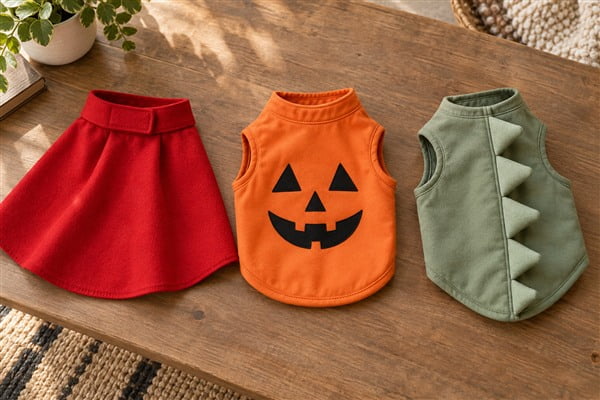
Identify the two or three elements that make the costume recognizable. These might be a color block, a shaped back panel, or a soft fabric feature. Separate them from optional decorations so cost discussions do not remove the most important part of the design.
ASPCA costume guidance emphasizes avoiding restricted movement and small detachable or easily chewed pieces. Translate that guidance into the concept review: examine visibility, head movement, breathing clearance, and possible snagging before selecting elaborate trim.
Keep the intended wearing occasion clear. A supervised photographic accessory should not be marketed as everyday outerwear unless its construction and use have been evaluated accordingly. Animal comfort should determine whether the costume is worn at all.

How can a detailed sketch become repeatable construction?
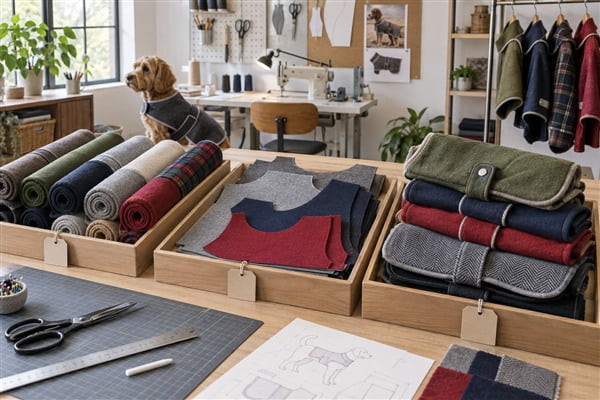
Ask the supplier to break the concept into panels, seams, attachments, and finishing operations. Compare a sewn fabric feature with an applied decoration, or a printed effect with an additional layer. The best option depends on appearance, attachment reliability, and production capability.
Record the approved construction in drawings and photographs. ISO 10007 configuration-management guidance provides a framework for keeping revisions aligned. Use the same numbering when writing clear sample revisions so a comment about one trim does not accidentally change the whole garment.
Check whether small features remain practical across sizes. A decorative shape that works on a large back panel may crowd a small size or interfere with an opening. Review the smallest and largest proposed versions during the sample development process.
What should sample evaluation include?
Inspect the garment from inside as well as outside. Look for hard edges, exposed attachments, bulky seam intersections, and loose ends. Review how the costume is put on and removed, especially where the design depends on several fastening steps.
Observe normal movement in appropriate supervised fitting sessions and stop if the animal shows distress. Record garment movement and whether any detail approaches the mouth, eyes, ears, or limbs. Do not treat a successful photograph as proof of comfortable wear.
For applicable woven connections, discuss ASTM D1683 for woven sewn seams with the test provider. For independent assessment, check the relevant scope using ISO/IEC 17025 laboratory guidance. Agree attachment and repeated-use checks suited to the design rather than assuming one seam test covers every decoration.

How should materials and care be simplified?
Limit unnecessary combinations of materials with conflicting care needs. A washable shell does not make a glued decoration washable. Test the completed construction under the proposed care route, using ISO 6330 washing and drying procedures where appropriate.
For strong seasonal colors, consider laundering transfer through ISO 105-C06 laundering colorfastness method and rubbing transfer through ISO 105-X12 rubbing-fastness method. Keep reports tied to the actual fabric, print, and trim versions. Replacing one orange fabric with another may alter more than its shade.
Coordinate instructions with planning clothing labels and packaging. State the intended wearing conditions, inspection advice, and care method clearly. Avoid overly broad descriptions that make a decorative costume sound like protective equipment.
How should the collection be quoted?
Ask for a breakdown of base garment, decorative operations, fastening, labels, and packaging. Compare the supplier’s manufacturing capabilities with the techniques the collection needs. Unfamiliar operations may add both development time and inspection difficulty.
Use customization options selectively across the range. Shared base patterns or common trims can preserve variety through color and theme while reducing complexity. Check that those shared parts actually fit each design rather than forcing every concept onto an unsuitable base.
Plan retail identification using GS1 barcode implementation steps and distinguish similar seasonal variants clearly. Confirm artwork deadlines and the latest acceptable delivery date, including time for inspection and any necessary corrections.
Frequently Asked Questions
Does simplifying a costume mean removing its appeal?
No. Retain the recognizable elements and simplify hidden complexity first. A clean, consistent silhouette can communicate the theme better than many poorly controlled details.
Should one attractive sample release production?
No. Confirm fit, construction, materials, and repeatability across the planned range. The approval should include a versioned specification and a clear inspection record.
Send a prioritized design brief
Share the theme, essential visual details, size range, price target, and launch date. Then contact FungoMate to discuss practical samples that preserve the idea while giving the factory clear production instructions.