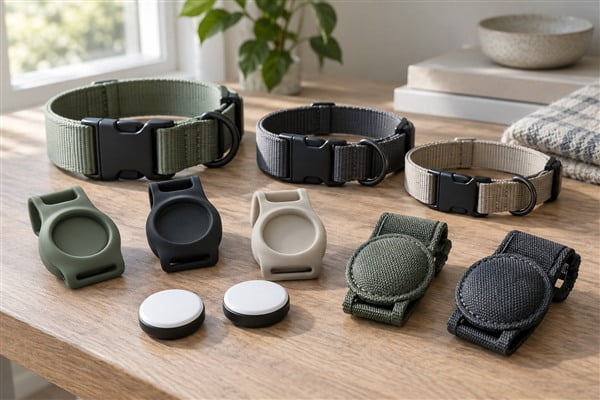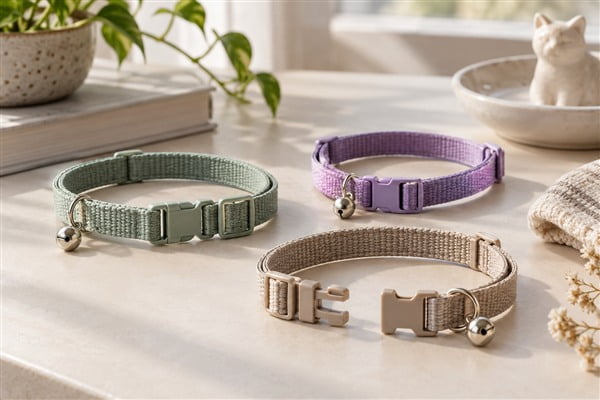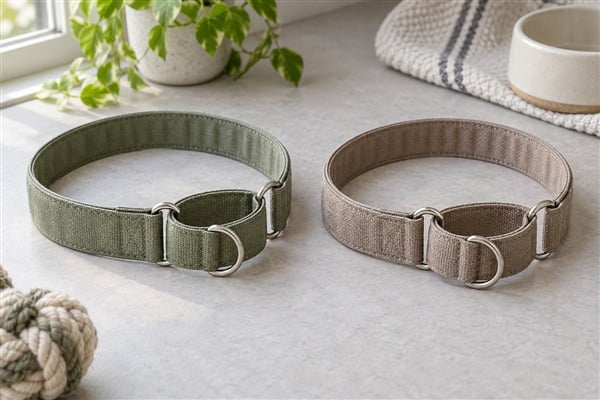


A supplier may propose a different webbing, lining, buckle, or coating when the original component becomes unavailable. For brands sourcing harnesses and walking gear, the decision should be based on the affected product requirements rather than a promise that the alternative is “the same quality.”
Approve substitutions by exact identity, intended function, interface, evidence, and production impact. Keep the proposed alternative separate from the accepted specification until the review is complete.
What information should a substitution request contain?
Record the original and proposed supplier codes, material descriptions, dimensions, finishes, quantities, reason for change, and expected cost or lead-time effect. Include data sheets and samples where relevant.
The requirements established when building a harness size range and specifying leash clips and D-rings define what the substitute must preserve. A new strap can affect adjustment range; a different ring section can affect clip clearance. Evaluate the surrounding assembly, not just the replacement part.
BioThane material FAQs illustrates why names matter: a branded coated material is not a generic description for every visually similar strap. Keep any branded claim aligned with the material actually purchased and supported by supply records.
How should the alternative be compared?
Separate appearance, dimensions, function, and process behavior. Compare color and texture against approved references, then review thickness, stiffness, stretch, edge finish, and fit through hardware. Similar photographs do not establish equivalent properties.
Use customization options to document the interfaces affected by the change. Ask whether cutting, sewing, folding, riveting, printing, or adjustment instructions must change. An alternative that works in one product may be unsuitable in another using the same color.

ASTM D6775 webbing test method is a reference for webbing strength and elongation where applicable. Do not use an isolated material result as approval for the finished harness, collar, or leash. Identify which assembly-level checks remain necessary.
Which tests should be repeated?
Start with the failure modes the material could influence. A dye or surface change may warrant evaluation using the ISO 105-X12 rubbing-fastness method. A lining or textile change may need care conditioning using ISO 6330 washing and drying procedures and dimensional assessment through an appropriate method such as the ISO 5077 dimensional-change method.
For metal components or finishes, discuss relevant ISO 9227 salt-spray methods procedures with defined exposure and acceptance criteria. Keep corrosion, strength, and closure function as distinct questions. Passing one does not automatically resolve the others.
Ask the testing provider which existing evidence remains applicable and why. ISO/IEC 17025 laboratory guidance provides context for laboratory competence; confirm the relevant method, sample identity, and scope rather than relying on a general certificate.
Use fixtures for structural evaluations and reserve supervised animal fittings for ordinary fit and movement. Do not investigate a possible failure by placing a pet under increased or hazardous loading.
Who should approve the change?
Route the proposal to the people responsible for design, purchasing, quality, and any affected customer-facing claims. Each review should address its own requirements rather than assuming purchasing approval covers technical suitability.
Use the sample development process to identify the samples and results supporting the decision. ISO 10007 configuration-management guidance provides a reference for keeping the material list, drawings, instructions, and approved version aligned.

Record whether approval is permanent, limited to a stated quantity, or conditional on additional checks. Define the production lots involved and how any remaining original stock will be handled. Avoid mixing two versions without a traceable plan.
What should change in factory documentation?
Update the bill of materials, incoming inspection criteria, assembly instructions, labels, and relevant packing information. Review manufacturing capabilities for the supplier’s ability to separate components and apply the approved change consistently.
Keep an accepted sample of the new version and mark obsolete references. Confirm the effective date or lot before production starts. The final inspection team should not be left comparing changed goods against an old sample with no explanation.
Monitor early production for unexpected effects such as adjustment difficulty, seam buildup, shade mismatch, or care-related distortion. If a problem appears, identify the affected lots and compare the result with the original approval assumptions.
For quotations, show the substitution’s complete effect, including development, testing, tooling, rework, and packaging changes. A lower component price may not reduce the total cost of delivering the approved product.
Frequently Asked Questions
Can a substitute be approved from a data sheet alone?
Sometimes data can resolve a narrow question, but interfaces and assembled behavior often need samples. Identify what the data does and does not demonstrate.
Must every substitution restart development?
No. Use a proportionate review based on the affected requirements and available evidence, while documenting the decision.
To review a proposed replacement, contact FungoMate with the current specification, alternative data, affected products, and the reason your brand is considering the change.