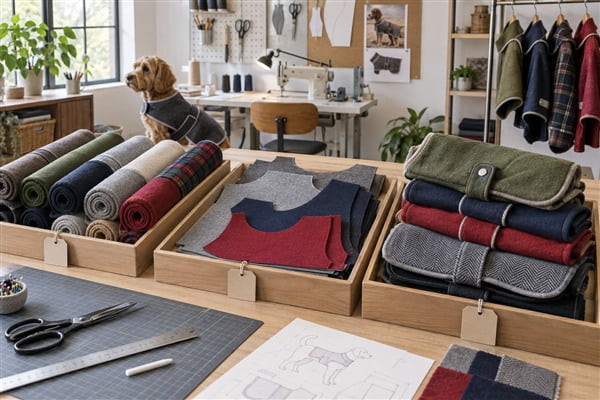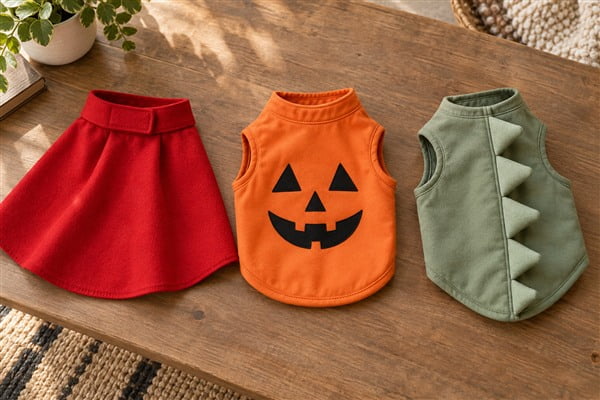


A print can look excellent on a flat swatch and disappoint on a finished dog shirt. Color transfer, washing changes, stretched motifs, or a badly positioned seam can undermine an otherwise sound product. Buyers expanding a pet apparel range should approve the print on the actual construction before bulk production.
Specify the artwork, substrate, print process, placement, and evaluation conditions together. Check colorfastness and visual alignment separately, then confirm both on representative finished sizes.
What information should the artwork brief contain?
Provide the approved file, version, repeat size, orientation, color references, and intended placement. State whether the design is an all-over print or a positioned motif. Mark areas where distortion, cutting, or seam interruption would be unacceptable.
The approach to turning a jacket concept into a production brief applies here: translate a visual idea into production instructions. When choosing a pet clothing manufacturer, ask how artwork scale, cutting direction, print approvals, and replacement files are controlled.
Specify the actual fabric and print process. A result on one base cloth or application method does not establish performance on another. Record changes to fabric color, surface treatment, stretch, or print chemistry as development changes rather than assuming the approved swatch covers them.
Which colorfastness questions should buyers ask?
Identify likely exposure: rubbing during wear, washing, contact with damp surfaces, and the care routine. The ISO 105-X12 rubbing-fastness method addresses color transfer by rubbing. The ISO 105-C06 laundering colorfastness method addresses laundering colorfastness. They answer different questions.
The AATCC test-method directory offers additional method references, including accelerated laundering and crocking. Ask a laboratory to select suitable methods and agree the conditions, ratings, and acceptance criteria. A statement that a print “passed testing” is incomplete without this information.
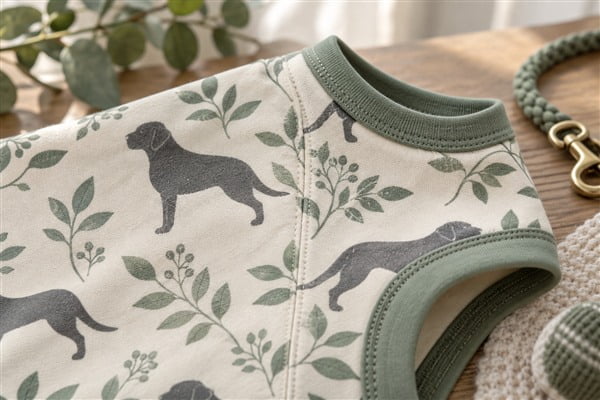
Review both color change and staining of adjacent materials where relevant. Include contrasting binding, light linings, labels, and other parts that contact the print. The complete color combination can reveal problems not visible when a swatch is tested or viewed alone.
How should pattern placement be specified?
Use defined reference points, such as a seam intersection or the center of a panel. State the required orientation and acceptable placement range. Avoid instructions such as “centered nicely” when different operators need to reproduce the result.
Check placement across sizes. A fixed-size motif may crowd a small panel or look isolated on a large one. For repeating artwork, decide which seams require deliberate matching and which can use normal repeat variation.
Review customization options before adding pockets, closures, reflective trims, or larger labels over printed areas. These features can interrupt the design or change the sewing order. Ask the developer to show the tradeoff in a finished sample.
What should be inspected after care?
Use a defined washing and drying sequence, with ISO 6330 washing and drying procedures as a procedural reference where appropriate. Evaluate dimensional change with a method such as the ISO 5077 dimensional-change method. A shrinking panel can alter the apparent placement even when the original cutting was correct.
Inspect cracking, peeling, distortion, surface feel, seam puckering, and transfer to other components. Photograph the same sample areas under consistent conditions before and after care. Do not turn a short development trial into an unrestricted durability claim.
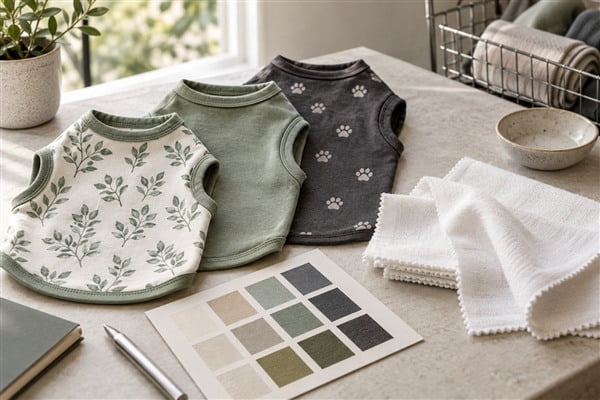
Prepare instructions that match the validated materials and process. ISO 3758 care-label symbols provides a care-symbol reference, but the symbols do not replace evidence that the product tolerates the stated treatment.
How do you connect approval to bulk production?
Use the sample development process to approve artwork, print sample, fabric, finished garment, and care results as one version. ISO 10007 configuration-management guidance is a useful reference for keeping those identities aligned.
Confirm the supplier’s manufacturing capabilities for checking incoming printed material, shade consistency, cutting orientation, and placement during sewing. Decide which defects need immediate isolation and which can be evaluated against an approved visual standard.
For outside reports, use ISO/IEC 17025 laboratory guidance to guide questions about competence and relevant scope. Verify that the tested sample matches the proposed bulk material, print process, and revision.
Retain approved fabric and finished samples under agreed storage conditions. Record authorized color or placement variation, inspection responsibilities, and the response to a changed print source. A new order should refer to those records rather than a compressed product photograph.
Frequently Asked Questions
Is a fabric print approval enough?
No. Inspect finished construction, including seams, trims, stretched areas, and representative sizes. Those details affect the visual result.
Must every seam have matched patterns?
Only where specified and feasible. Deliberate matching can affect cutting yield and cost, so identify the important seams before quotation.
For your next printed collection, contact FungoMate with artwork, fabric direction, size range, care expectations, and the placement details that define your brand.