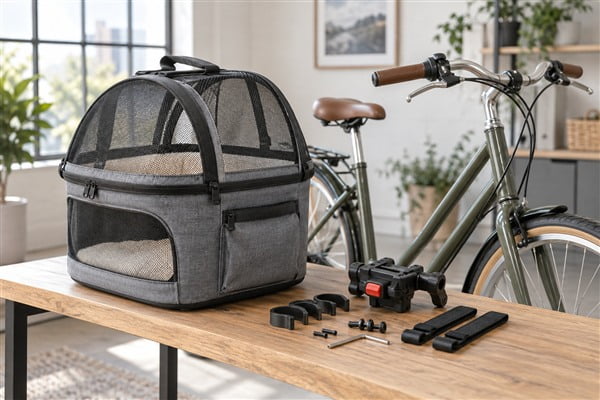

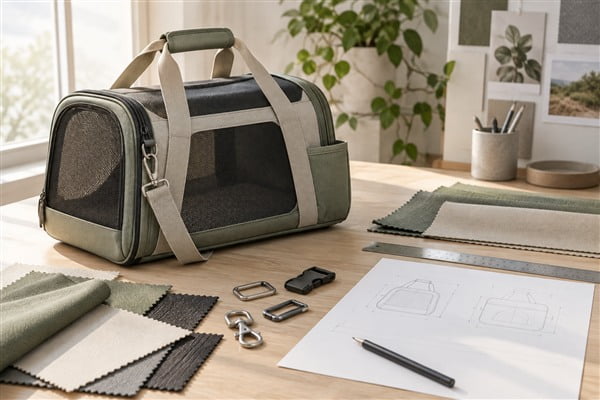
A pet travel bag quotation is only as precise as the request behind it. “Similar to this photo, please quote” leaves suppliers to guess materials, reinforcement, accessories, packaging, and delivery scope. Buyers sourcing pet travel bags and carriers need a shared basis for comparison before deciding which price is attractive.
An effective RFQ identifies the design revision, intended use, dimensions, materials, construction, quantities, testing, packaging, and commercial assumptions. Ask suppliers to list exceptions rather than silently fill gaps.
What product information should lead the RFQ?
State the carrier format, target pet profiles, intended journeys, selling channel, and required functions. Provide assembled external dimensions and usable internal dimensions, plus drawings or an identified reference sample where available.
Use the distinction in carrier pattern and structural development to separate cosmetic options from changes that need engineering or new patterns. For compact products, include the details needed for comparing foldable carrier size and stability: folding method, removable parts, collapsed dimensions, and setup instructions.
List the planned sizes and colors with estimated quantities for each, not only a total order. Separate a first order from a forecast. A supplier should not need to assume that every color has the same volume or that a forecast is a purchasing commitment.
How detailed should the material list be?
Identify shell fabric, mesh, lining, padding, base, zippers, webbing, hardware, and reinforcement. Use approved codes where available; otherwise state the properties and alternatives the supplier should propose.
Review customization options before requesting several versions. Ask for each option’s effect on development, unit cost, minimum quantities, and lead time. Keep the base quotation tied to one clearly described configuration.
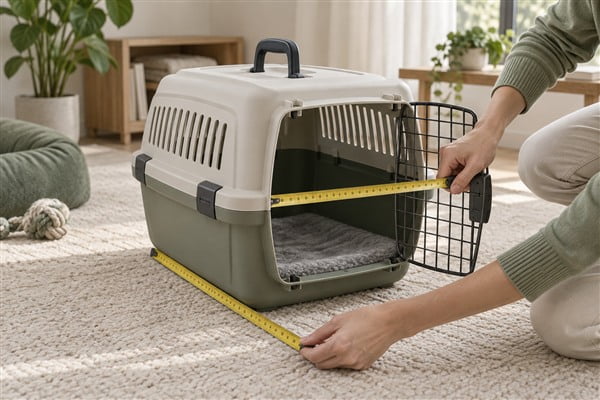
Include construction drawings for openings, pockets, handle anchors, and removable parts. Note which features are essential and which can be value-engineered. Request written assumptions when a detail cannot yet be fixed.
Which performance and travel requirements belong?
State the intended claims and the evidence you expect. IATA Traveler’s Pet Corner is a reference for air-travel context; IATA cabin-travel guidance clarifies that IATA does not approve commercial carriers. Avoid asking for a universal airline-approved product without an exact use case and airline requirements.
List planned evaluations, sample quantities where known, reporting requirements, and who pays for them. ISO/IEC 17025 laboratory guidance helps frame laboratory-competence questions. Ask the supplier to separate internal screening from external testing rather than combining everything under a vague QC charge.
The ISTA test-procedure overview can support discussions about transport-package evaluation. Identify the actual distribution route and packing configuration so the proposed testing scope is meaningful.
What packaging and delivery details prevent surprises?
Specify retail packaging, included instructions, barcode responsibility, carton quantity, and whether the carrier ships assembled or folded. GS1 US packaging-level guidance helps distinguish consumer units from inner and outer shipping configurations.
Ask for estimated packed dimensions and weight. UPS dimensional-weight guidance explains why volume can affect parcel charges. Treat early freight estimates as provisional until the finished packing arrangement has been measured.
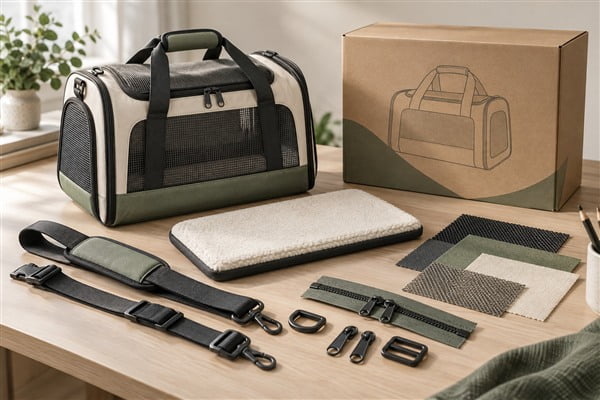
Use ICC Incoterms guidance when agreeing the delivery rule and named place. Record the currency, validity period, payment terms, and what is excluded. Comparing two prices with different transport responsibilities can produce a misleading conclusion.
How should development and tooling be quoted?
Separate pattern work, prototypes, tooling, artwork setup, tests, unit production, and packing. Define what each sample round includes and how additional changes are handled. Identify the approval that starts the production lead time.
Build milestones into the sample development process. ISO 10007 configuration-management guidance provides a useful reference for controlling specification versions; issue the same revision to all suppliers and record later clarifications in a common update.
Review manufacturing capabilities against the proposed construction. Ask which operations are internal, which are outsourced, and how important component substitutions are controlled. The quotation should describe the product the supplier can repeat, not just an attractive first sample.
Use a comparison sheet showing offered specification, assumptions, deviations, one-time costs, unit costs, packaging, testing, and delivery scope. Resolve differences before ranking suppliers by price. A qualified alternative can be useful, but it should remain visibly separate from the requested base offer.
Specify the response format and requested completion date. A structured quotation with clearly marked assumptions is easier to reconcile than several messages containing different quantities, material options, and provisional delivery estimates.
Frequently Asked Questions
Can an RFQ be sent before every detail is fixed?
Yes. Label open decisions and request separately priced options. Do not present uncertain requirements as approved specifications.
Should all development costs be included in unit price?
They can be allocated in different ways. Ask how the quotation treats them so first orders and repeat orders can be compared fairly.
For a clearer supplier quotation, contact FungoMate with your product brief, reference files, quantities, target channel, and the commercial basis you want suppliers to use.