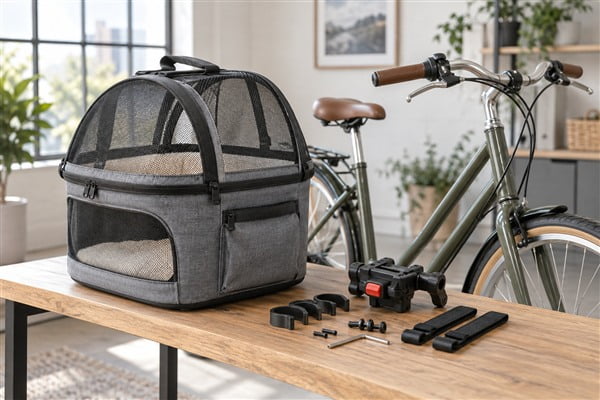


A pet travel bag can leave the sewing line clean and still arrive with damp packaging, odor, or stained hardware. Sea freight adds storage time and changing conditions that a simple outer carton may not address. Buyers shipping pet travel bags and carriers should agree a moisture-control plan before the packing materials are purchased.
Control moisture at its sources, select packaging for the planned route, and document packing and receiving checks. Desiccants can support a plan, but they do not make wet goods or unsuitable packaging acceptable.
Where can moisture enter the shipment?
Review the product, cartons, pallets, storage area, and loading conditions. UNECE condensation guidance identifies cargo and packaging materials among possible sources of internal humidity. The practical question is therefore broader than whether the container has a visible leak.
Use the IMO/ILO/UNECE CTU Code as a reference for packing discussions with the logistics provider. Confirm who inspects the transport unit, who can reject unsuitable conditions, and what evidence is retained. Keep the plan specific to the shipment rather than relying on a general “export packing” promise.
Describe origin, destination, expected storage, season, and route uncertainties. Long dwell times or transshipment can change the exposure. Ask the packaging specialist to consider those assumptions when proposing protection.
What should happen before goods are sealed?
Agree how the supplier determines that products and packaging are ready for packing. Record the applicable measurement method and acceptance criteria where moisture measurements are used. A number without a defined material, instrument, and procedure is difficult to interpret.
Allow products to complete the intended drying and conditioning process after wet operations. Keep packed and unpacked goods protected from rain and unsuitable storage. Do not seal visibly damp materials merely to meet the loading deadline.
Review the approved packing arrangement during the sample development process. Include removable pads, foam, coated fabrics, and metal components because they may respond differently to trapped moisture or prolonged compression.
How should bags, liners, and desiccants be selected?
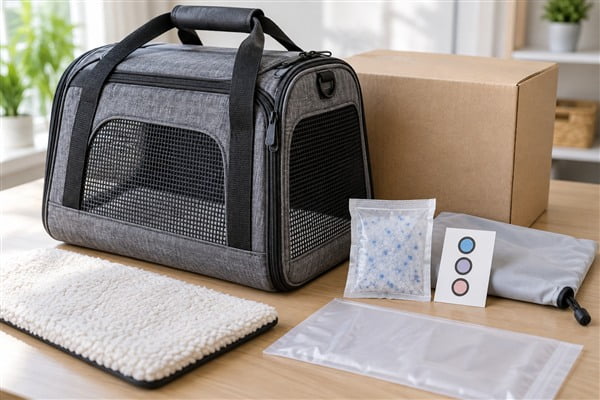
Ask the supplier to identify the purpose of each packaging layer. A dust bag, moisture barrier, and protective sleeve solve different problems. Sealing can limit outside moisture, but it can also retain moisture already inside if the contents are not suitable for packing.
Clariant cargo-desiccant guidance illustrates that cargo-desiccant selection and quantity depend on the conditions and goods being protected. Obtain a shipment-specific recommendation from the provider rather than copying a generic sachet count.
Specify placement, handling, containment, and checks for damaged packets. Keep moisture-control materials from becoming loose retail accessories. If a humidity indicator is used, define what its reading triggers; it does not by itself establish that the goods are undamaged.

What should the packing trial evaluate?
Review the packed product for compression marks, coating contact, hardware staining, and ventilation or sealing assumptions. Consider a suitable conditioning and distribution evaluation with the packaging provider; ISTA test-procedure overview can help frame relevant transit-testing discussions.
Do not present one laboratory cycle as a guarantee against every sea route. Record the conditions represented and any limitations. Compare trial results with receiving observations from actual shipments and revise the plan when evidence changes.
When preparing a carrier RFQ, itemize protective layers, desiccants, carton specification, pallet arrangement, and inspection. Changes to the carrier’s materials or packed shape may also require review through carrier structural development rather than being treated as unrelated packaging work.
Who owns the records and decisions?
Agree packing photographs, container identification, loading date, inspection records, and shipment references. Use GS1 Global Traceability Standard to help organize links between product lots and shipments. Coordinate case identification with GS1 US packaging-level guidance where required by the buyer’s system.
Define delivery responsibilities using ICC Incoterms guidance, while separately documenting packaging and inspection obligations. A delivery term does not replace the technical packing specification.
Check proposed environmental packaging claims against FTC Green Guides summary. Review available customization options and the supplier’s manufacturing capabilities so the chosen plan can be executed consistently, including during busy shipping periods.
Agree a receiving checklist before shipment. It should identify what to photograph, which lots to hold, and whom to notify when packaging is wet or damaged. This makes the response consistent across warehouses and distributors.
Frequently Asked Questions
Will adding more desiccant solve every moisture problem?
No. Investigate wet contents, packaging choices, storage, and the transport unit first. The amount and placement should follow an appropriate recommendation, not guesswork.
What should the receiver do if cartons arrive damp?
Follow an agreed hold-and-inspect procedure, record the condition before repacking, and preserve shipment details. Assess affected products before releasing them for sale rather than assuming surface drying resolves the issue.
Prepare the shipment brief
Send the route, timing, materials, packed dimensions, storage assumptions, and receiving requirements. Then contact FungoMate to align production and packing decisions before the sea shipment is booked.